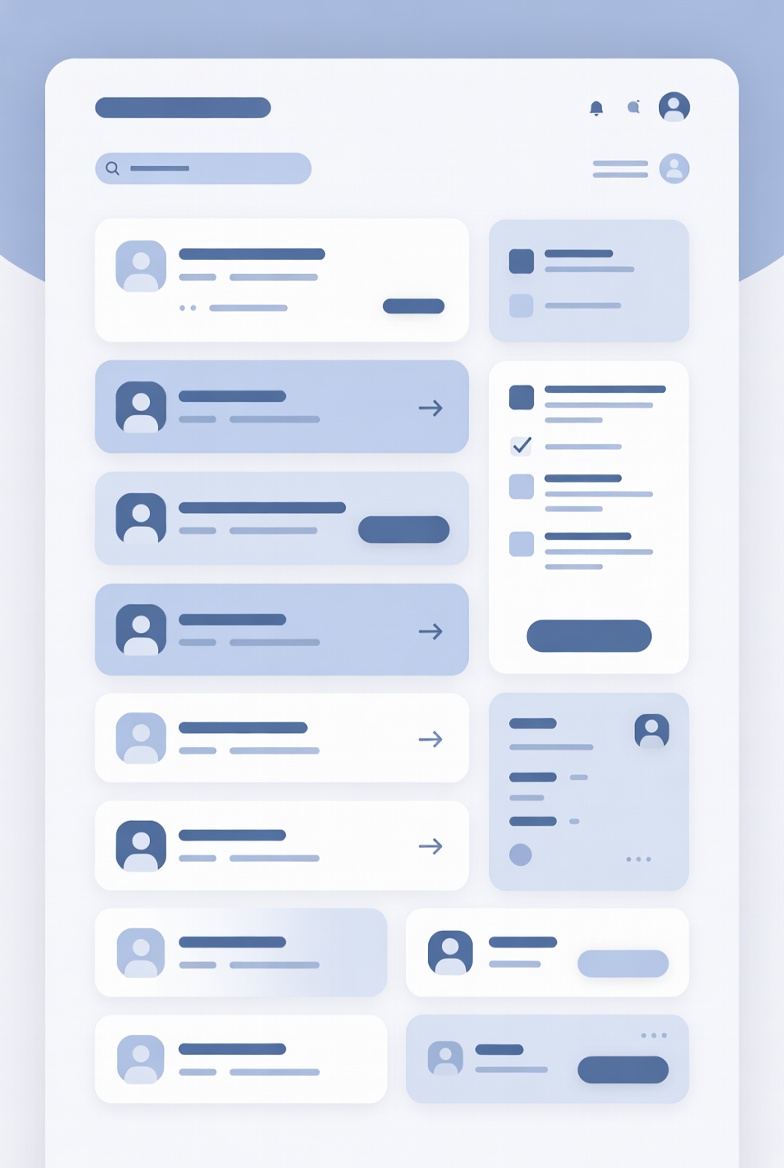
How Professional Digital Platforms Organize Client Portal Navigation
Disclaimer: This post is for educational and informational purposes only and does not provide financial advice or investment guidance.
Introduction
Professional digital platforms are designed to manage complex information structures while remaining accessible to users with different levels of technical experience. One of the most important elements in these systems is client portal navigation. This post offers an educational explanation of how navigation is typically organized within secure client portals, focusing on usability, logical structure, and interface consistency. Platforms such as taxdome are referenced only as neutral examples to illustrate commonly used navigation models.
The goal of this article is to help readers understand how these platforms guide users through information without promoting specific tools or actions.
The Purpose of Structured Navigation
Navigation in professional digital platforms serves a functional role rather than a promotional one. Its main objective is to reduce confusion by clearly separating different types of content and actions. Well-structured navigation helps users locate information efficiently while maintaining predictable interaction patterns.
Most platforms follow a layered navigation approach:
- Primary navigation for core sections
- Secondary menus for detailed views
- Contextual links tied to specific content areas
This hierarchy supports clarity and minimizes unnecessary interface complexity.
Common Navigation Layouts in Client Portals
Secure client portals generally rely on familiar layout patterns to reduce learning curves. These patterns often include sidebars, header menus, or tab-based navigation systems. Each layout type reflects a balance between visibility and space management.
In platforms comparable to taxdome, side navigation menus are frequently used to display main categories, while content panels update dynamically based on user selection. This approach helps maintain orientation, allowing users to understand where they are within the system at all times.
Dashboard as a Central Navigation Hub
The dashboard typically functions as the starting point for interaction. It aggregates key information and provides shortcuts to frequently accessed areas. From an educational perspective, dashboards are not designed to overwhelm users with detail but to present summarized entry points.
Dashboards often include:
- Section summaries
- Status indicators
- Links to recent or updated items
Understanding the dashboard’s role helps users interpret it as a navigation tool rather than a content repository.
Navigation Consistency and User Expectations
Consistency is a core principle in professional digital platform design. When navigation elements behave predictably across sections, users can transfer knowledge from one area to another. This reduces cognitive effort and improves overall usability.
Platforms like taxdome demonstrate this principle by maintaining consistent menu placement, labeling conventions, and interaction behavior. Even when content changes, navigation remains stable, reinforcing user confidence in the system’s structure.
Accessibility and Navigation Clarity
From an educational standpoint, navigation design also considers accessibility. Clear labels, logical grouping, and visual separation help ensure that interfaces remain usable across different devices and screen sizes.
Key accessibility-related navigation practices include:
- Descriptive menu titles
- Adequate spacing between elements
- Logical reading order
These practices are widely adopted across professional digital platforms to support inclusive use without requiring advanced technical knowledge.
Comparison With Other Professional Platforms
Navigation structures in secure client portals share similarities with other professional systems, such as enterprise collaboration tools or academic platforms. The repeated use of dashboards, side menus, and content panels reflects industry-wide design standards rather than platform-specific choices.
Recognizing these shared patterns helps users adapt more quickly when interacting with new platforms, as the underlying logic remains familiar.
Conclusion
Navigation is a foundational element of secure client portals within professional digital platforms. By examining common layouts, dashboard roles, and consistency principles, users can better understand how these systems are organized. Examples such as taxdome illustrate how navigation design prioritizes clarity, predictability, and structured access, supporting effective interaction without focusing on promotion or engagement.
Disclaimer: This post is for educational and informational purposes only and does not provide financial advice or investment guidance.


You May Also Like

Interface Elements and Usability Principles in Secure Client Portals

Understanding Secure Client Portals in Professional Digital Platforms