
Interface Elements and Usability Principles in Secure Client Portals
Disclaimer: This post is for educational and informational purposes only and does not provide financial advice or investment guidance.
Introduction
Secure client portals used in professional digital platforms rely heavily on interface design to ensure clarity, consistency, and ease of use. While underlying systems may be complex, the visible interface is designed to present information in an organized and understandable way. This post provides an educational overview of key interface elements and usability principles commonly found in secure client portals.
Platforms such as taxdome are referenced only as neutral examples to demonstrate interface patterns that are widely adopted across professional digital environments.
Core Interface Components in Client Portals
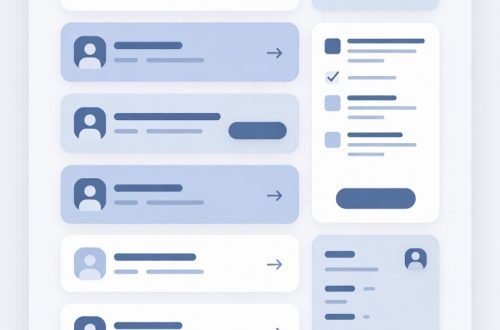
Most secure client portals are built around a set of recurring interface components. These elements are not unique to any single platform but represent established design conventions intended to support structured interaction.
Common interface components include:
- Navigation menus for section access
- Content panels for displaying information
- Status indicators for contextual awareness
Together, these elements create a framework that helps users interpret and interact with the platform logically.
Layout Structure and Information Hierarchy
Information hierarchy plays a critical role in interface usability. Professional digital platforms typically prioritize clarity by separating primary content from supporting elements. This separation allows users to focus on relevant information without unnecessary distraction.
In systems comparable to taxdome, layout structure often follows a predictable pattern:
- Navigation remains fixed or consistently positioned
- Main content areas update dynamically
- Secondary information is visually subdued
This hierarchy ensures that users can quickly identify where to focus their attention.
Visual Cues and Interaction Feedback
Visual cues are essential for communicating system responses and guiding user interaction. These cues include color changes, icons, spacing, and subtle animations. From an educational perspective, their purpose is informational rather than persuasive.
Examples of visual feedback include:
- Highlighted menu selections
- Confirmation indicators after actions
- Disabled states for inactive elements
Such feedback helps users understand system behavior without requiring explicit instructions.
Readability and Content Presentation
Professional client portals often manage dense information, making readability a primary design concern. Interfaces are structured to break content into manageable segments using headings, spacing, and alignment.
Text presentation practices commonly observed include:
- Short paragraphs
- Clear section headers
- Consistent font usage
These practices help users process information efficiently and reduce visual fatigue during extended interaction.
Usability Across Devices and Screen Sizes
Modern professional digital platforms are designed with responsiveness in mind. Interfaces adapt to different screen sizes while maintaining structural consistency. This ensures that navigation and content presentation remain intuitive across desktop and mobile environments.
In platforms such as taxdome, responsive design principles ensure that core interface elements retain their function and clarity regardless of device constraints, reinforcing usability through consistent interaction patterns.
Comparison With Other Professional Digital Interfaces
The usability principles applied in secure client portals closely align with those used in other professional systems, including enterprise dashboards and internal management tools. The emphasis on clarity, hierarchy, and predictable behavior reflects industry standards rather than platform-specific design choices.
Understanding these shared principles allows users to transfer knowledge between platforms, improving overall digital literacy in professional environments.
Conclusion
Interface elements and usability principles form the foundation of effective secure client portals. By applying consistent layouts, clear visual cues, and structured content presentation, professional digital platforms support informed interaction without complexity. Examples such as taxdome illustrate how interface design focuses on usability and organization, reinforcing clarity rather than promotion.
Disclaimer: This post is for educational and informational purposes only and does not provide financial advice or investment guidance.

You May Also Like

Understanding Secure Client Portals in Professional Digital Platforms
How Professional Digital Platforms Organize Client Portal Navigation